Ask a room of body technicians what it takes to be an ASE Master Collision Technician and most will say "pass all the B tests." That is close, and the gap matters: Master takes four tests, not five, plus two years on the job, and it only lasts as long as you keep each one current. Here is the whole road in order, so you can see where you are on it and what comes next.
The roadmap at a glance
| Step | What you do | How long it takes |
|---|---|---|
| 1 | Pick your first test, the one that matches your daily work | One decision |
| 2 | Create a myASE account, buy the test and take it within 90 days | Weeks, at your pace |
| 3 | Document two years of work experience | Two years on the job (training can count for up to half) |
| 4 | Pass ASE B2, B3, B4 and B5 | One test at a time, in any order |
| 5 | Add ASE B6 if you write estimates | Optional, for estimators |
| 6 | Recertify each test every five years | A shorter test per area |
Step 1: Pick your first test
ASE splits collision work into five tests. Four of them build Master status:
| Test | What it covers | Certification test |
|---|---|---|
| ASE B2 Painting and Refinishing | Surface preparation, spray equipment, mixing and matching, application problems, finish defects, safety | 65 questions (55 scored), 90 minutes |
| ASE B3 Non-Structural Analysis and Damage Repair | Panels, metal finishing and filler, glass and hardware, welding and cutting, plastic repair | 65 questions (55 scored), 90 minutes |
| ASE B4 Structural Analysis and Damage Repair | Frame and unibody inspection, measuring and repair, stationary glass, structural welding | 60 questions (50 scored), 75 minutes |
| ASE B5 Mechanical and Electrical Components | Suspension and steering, electrical, brakes, A/C, cooling, drive train, fuel and exhaust, restraints | 60 questions (50 scored), 75 minutes |
| ASE B6 Damage Analysis and Estimating | Damage analysis, estimating, legal practices, construction, vehicle systems, parts, customer relations | 60 questions (50 scored), 75 minutes |
Every certification test carries 10 unscored research questions that look like all the others, so answer every one.
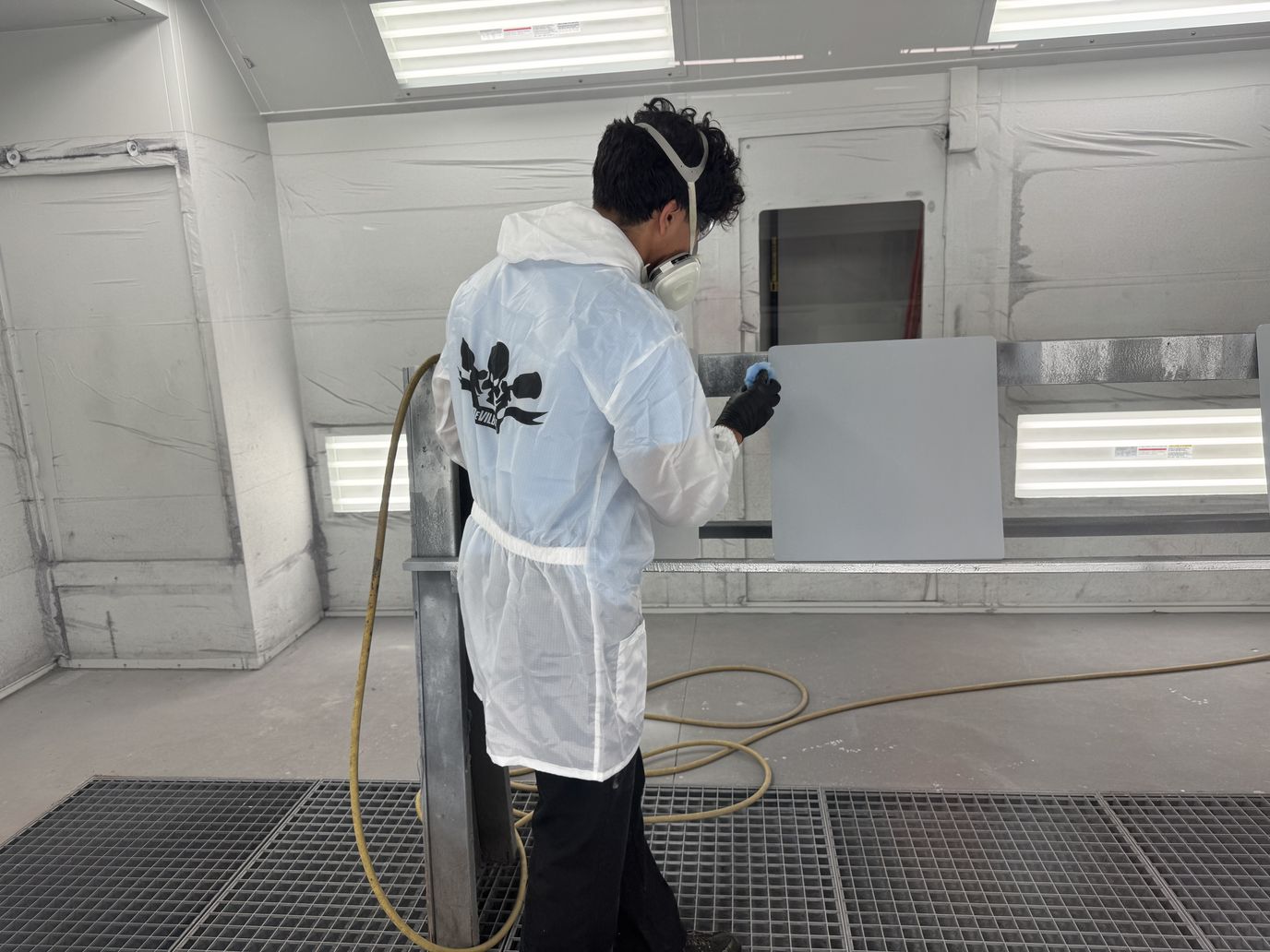
Start where you already work. A painter starts with ASE B2. Most body technicians start with ASE B3, because panels, filler and welding are the daily job. That first pass builds confidence and gives you a feel for how ASE writes questions before you take on the tests further from your daily work.
Still in a collision program? ASE Entry-Level certification is a separate program for students, taken at the school with a proctor. A pass is good for two years and is a solid first step before the professional ASE B-Series tests, and the training you are doing now can count toward part of the B-Series experience rule later. Our ASE Entry-Level practice tests cover all five of its tests.
Step 2: Register and take the test
You buy tests in your myASE account at my.ase.com, and each test must be taken within 90 days of purchase. A first-time ASE B-Series test can be taken at a Prometric test center by appointment, or online through ASE's Flex Test, which needs no appointment. If you do not pass, ASE makes you wait 30 full days before buying the same test again. The full walk-through is in our guide to registering for an ASE collision test.
Step 3: Document two years of work experience
Passing the test is half of each certification. The other half is two years of relevant work experience, entered in the work-experience section of myASE.
- You can test first. If you pass before the two years are done, you get the score report, and the certificate follows once the experience is approved.
- Training counts for part of it. Relevant formal training can cover up to half of the requirement, so a graduate of a collision program usually needs less time on the job.
- ASE B6 is different. The estimating certification needs two years of damage analysis and estimating work, not hands-on repair. Bench time as a body technician does not count toward it.
ASE explains what counts and how to submit it on its work experience page.
Step 4: Collect the four Master tests

Master Collision Repair and Refinish Technician status is earned by holding ASE B2, B3, B4 and B5 together. There is no required order, but most technicians take them in this order:
- Your strongest test first (ASE B3 or ASE B2).
- ASE B4 next for body technicians. It builds on the panel and welding knowledge from ASE B3 and adds frame and unibody measuring.
- ASE B5 for the mechanical and electrical side of a collision repair. It is the widest of the four, and electrical is its biggest area.
- The last of the four. Usually ASE B2 for body technicians or ASE B3 for painters.
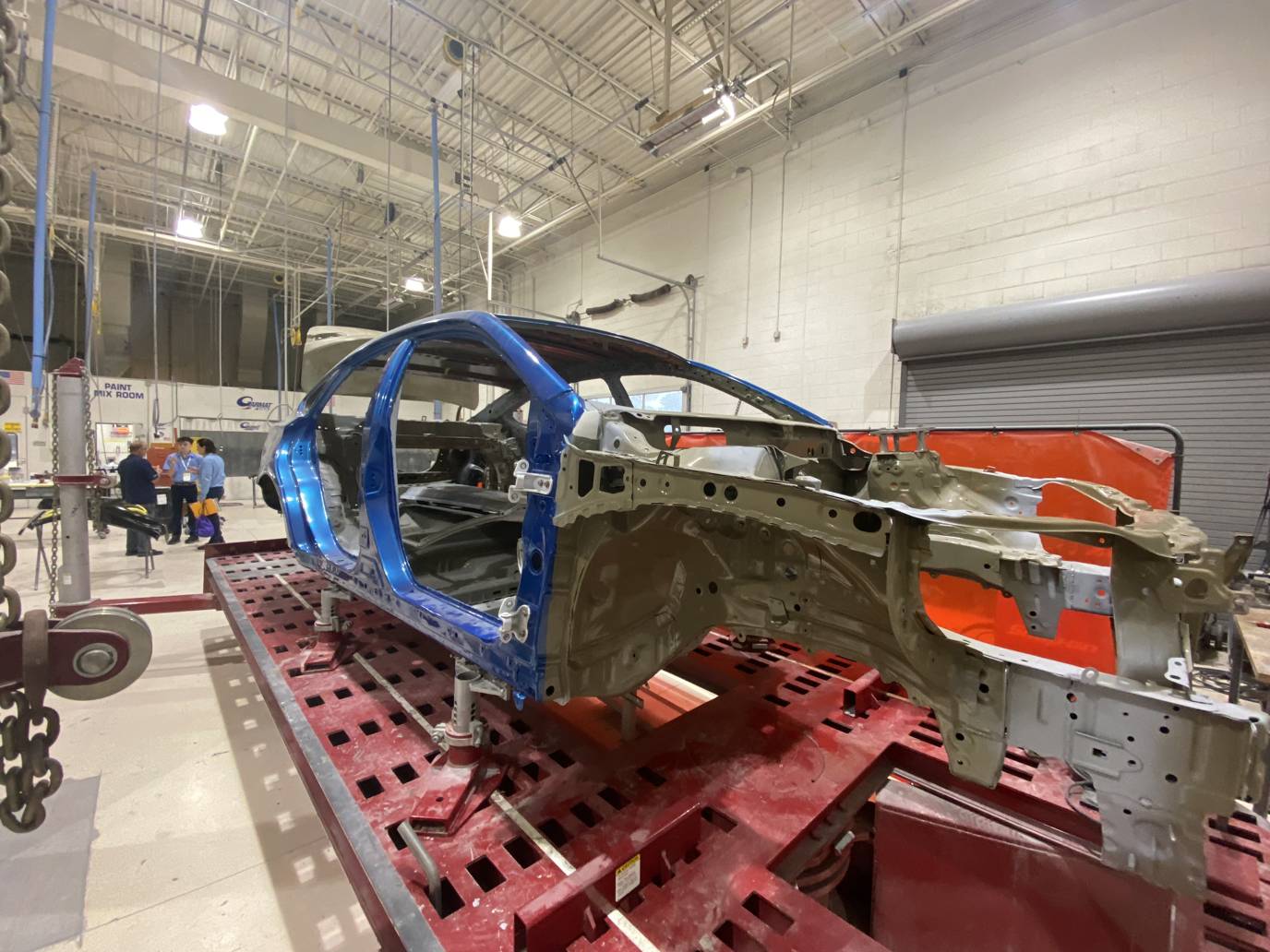
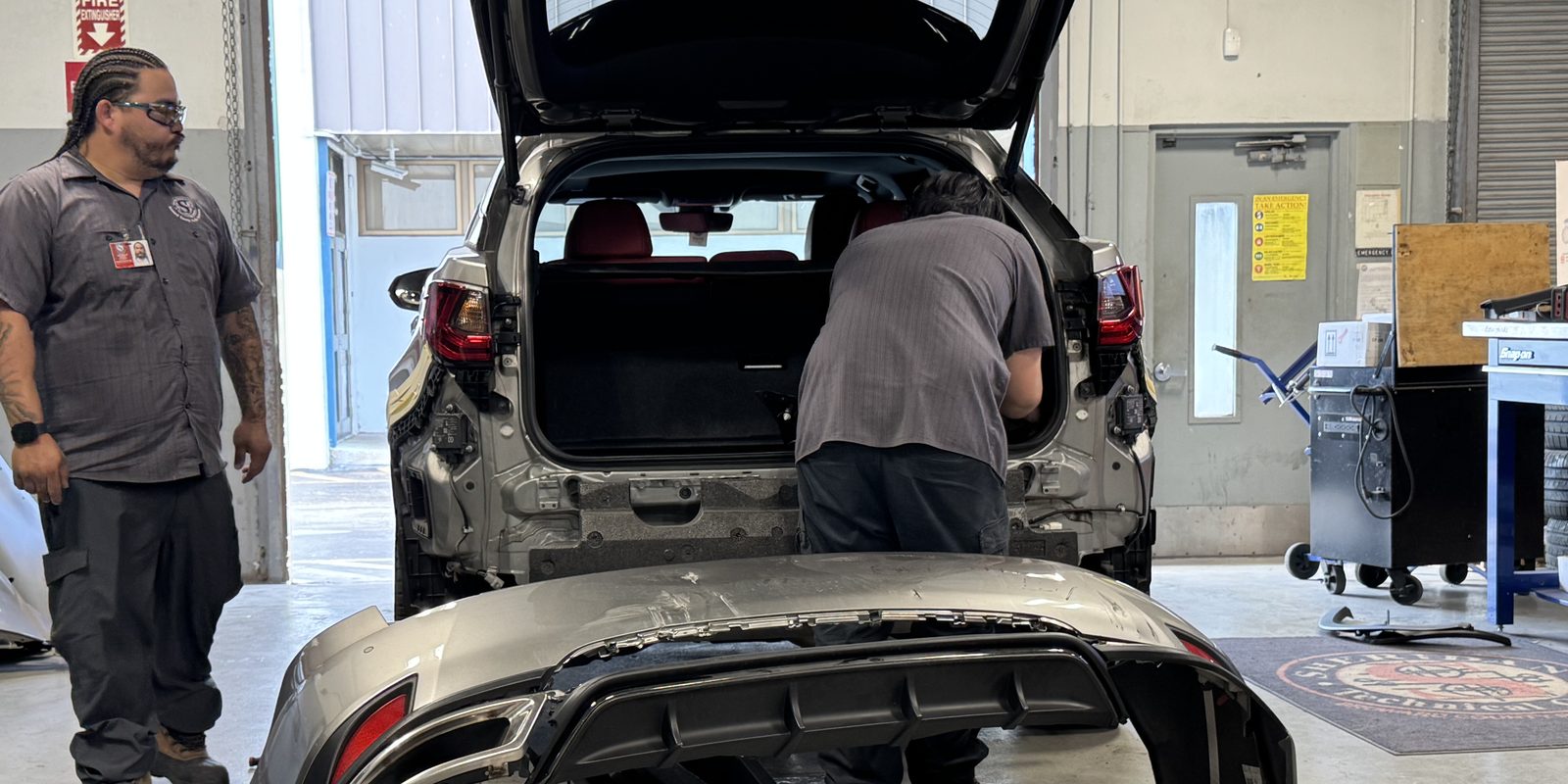
ASE B4 is the test that lives on the frame rack. It asks how a vehicle is anchored and measured, how damage is pulled out in the right order, which structural parts may be sectioned or must be replaced, and how they are joined back to the maker's procedure. A body technician who has only straightened bolt-on panels should give this one the most study time of the four.
Space them out. One test per month or two gives you time to study each content area properly instead of carrying four sets of notes at once.
Step 5: ASE B6, if you write estimates
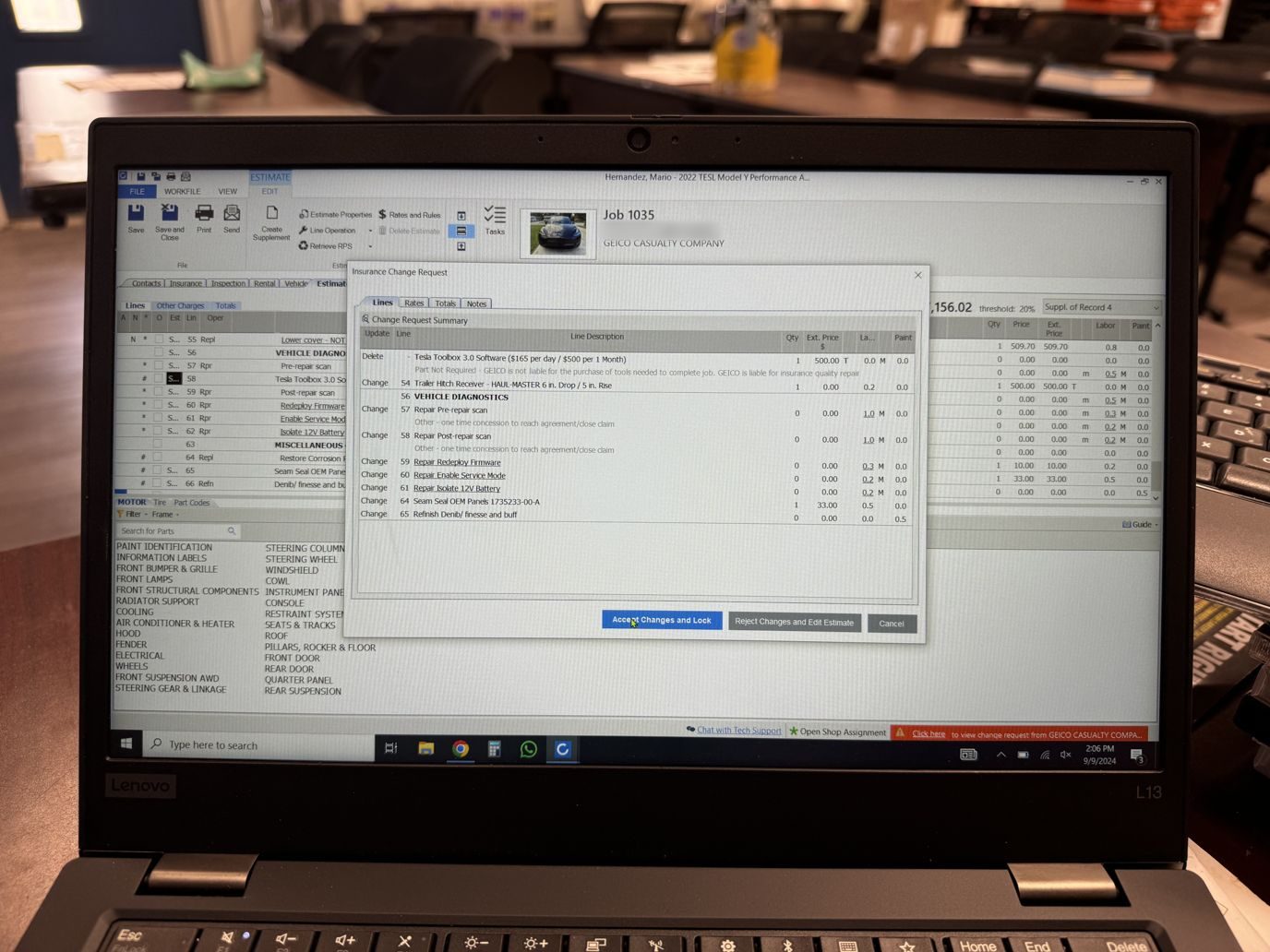
ASE B6 Damage Analysis and Estimating is its own certification for estimators, appraisers and adjusters. It is worth having if you write or review estimates, and many body technicians who move to the front office add it. Remember its experience rule is estimating work, so plan it for when you are actually writing estimates.
The test reads like the work itself: repair or replace decisions, included and not-included operations, supplements, parts sourcing, and the conversation with the customer and the insurer. If you write estimates every day, most of it will look familiar; the rest is in the task list.
Step 6: Keep it current every five years
Each certification is valid for five years. To keep it, you pass that area's recertification test, which is about half the length of the original:
| Recertification test | Questions | Time |
|---|---|---|
| ASE B2R and ASE B3R | 28 | 45 minutes |
| ASE B4R, ASE B5R and ASE B6R | 25 | 30 minutes |
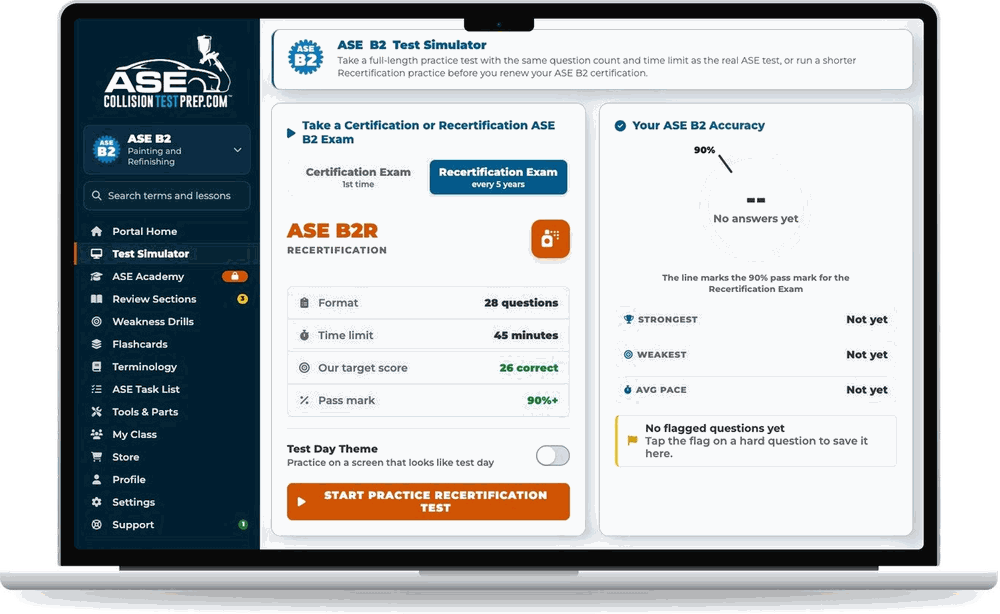
Recertification tests have no unscored questions, and they can be taken at a test center or remotely. Master status depends on all four staying current: let one lapse and the Master credential lapses with it until that area is recertified. The full details are in our ASE recertification guide.
Where our practice ASE tests fit
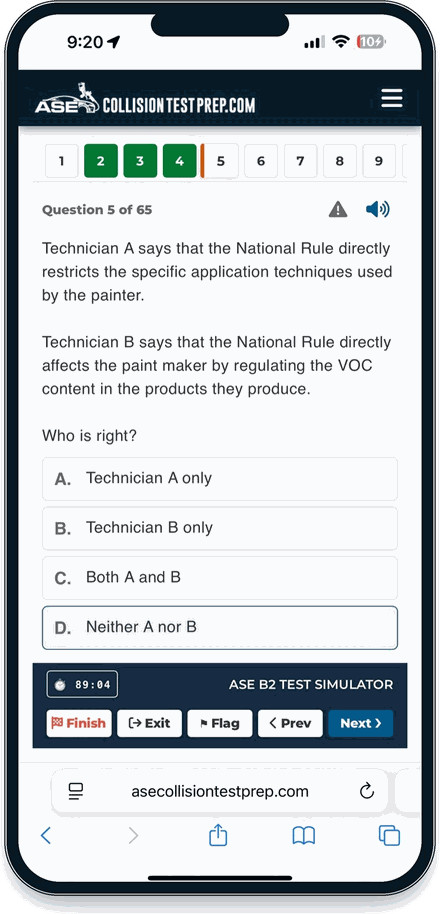
Every step on this road ends in a timed, multiple choice test, and that is the part practice fixes. Our simulator gives each test the same question count, time limit and content-area weighting as the real test, so you can see before test day which areas are weak. For recertification, it runs the shorter 28 or 25 question test against its own clock. Pick a test to start: ASE B2, ASE B3, ASE B4, ASE B5 or ASE B6. Each test also has 20 free practice questions with the answer and the reason: ASE B2, ASE B3, ASE B4, ASE B5 and ASE B6.
Official details, including current fees and registration dates, are on ASE's own pages for the B2 to B5 tests and the B6 test.

Discussion
Join the discussion — sign in to comment.
Comments are reserved for registered students and technicians. Your name will be pulled from your profile automatically.
Log In Register