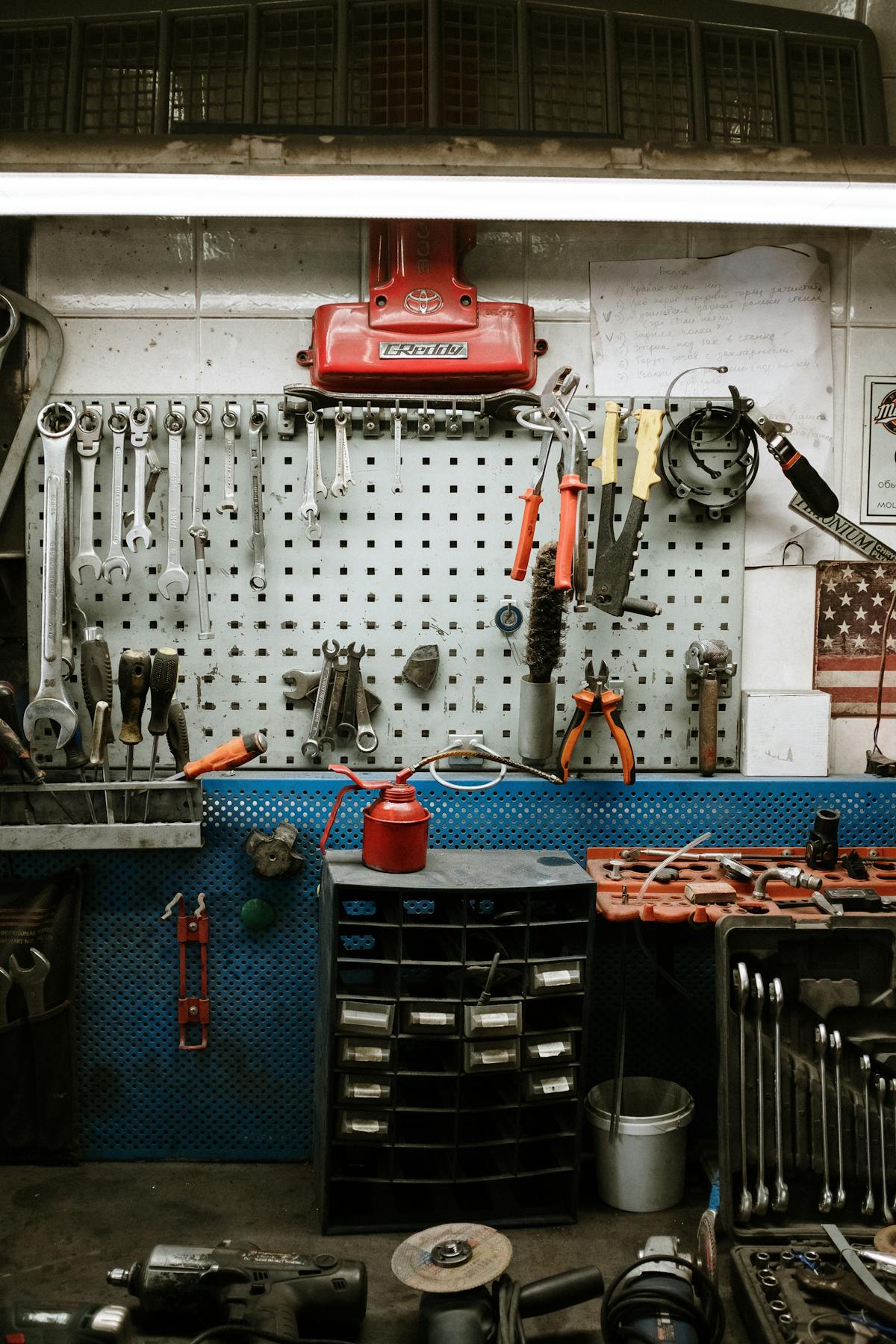
Bumper covers are the most frequently damaged and most frequently repaired part in a collision shop. A low-speed parking lot tap, a curb strike, a shopping cart, all of it lands on the plastic. Knowing how to repair a bumper cover correctly, instead of reaching for a new part on every job, is one of the most valuable skills a non-structural technician can have. It saves the customer money, saves the insurer money, and keeps cycle time down.
It is also core ASE B3 content. The Non-Structural Analysis and Damage Repair exam tests plastic identification, repair method selection, and the prep steps that make a repair actually hold. Here is how working techs do it, and what the test expects you to know.
Step One: Identify the Plastic
You cannot pick a repair method until you know what you are repairing. The single most important habit in plastic repair is identifying the substrate before you touch it.
Most bumper covers are molded with an ISO material code on the back side. Flip the cover and look for stamped symbols inside a pair of arrows, such as:
- >PP< or >PP+EPDM<: Polypropylene, the most common modern bumper material. A thermoplastic.
- >TPO< or >TEO<: Thermoplastic olefin. Also very common, also a thermoplastic.
- >PUR< or >RIM<: Polyurethane, a thermoset. Common on older and some specialty covers.
- >PC<, >ABS<, >PA<: Less common on covers, more common on trim and brackets.
If there is no readable code, run a grind test on a hidden flange. Take a coarse disc or a die grinder to a scrap edge and watch the debris:
- A thermoplastic (PP, TPO) gets gummy and smears into a smooth melt.
- A thermoset (PUR) grinds into a dry, dusty powder.
That one test tells you the most important thing: thermoplastics can be plastic welded because they melt and re-fuse. Thermosets cannot be melted back together, so they get adhesive repair only.
Pro tip: write the substrate type right on the part with a paint marker as soon as you ID it. On a busy day you do not want to guess whether that cover was PP or PUR after it has been cleaned and primed.
Step Two: Pick Your Repair Method
Once you know the plastic, you have two approved repair paths. Neither is wrong. They have different strengths.
| Factor | Two-Part Adhesive | Plastic Welding (Nitrogen / Airless) |
|---|---|---|
| Works on | Almost any substrate, including thermosets (PUR) | Thermoplastics only (PP, TPO, ABS, PC) |
| Equipment | Adhesive, mixing tips, applicator, abrasives | Plastic welder, matched filler rod, nitrogen (for the strongest welds) |
| Speed | Fast, minimal setup | Slower, more setup and skill |
| Strength | Excellent on properly prepped, V-grooved cracks | Strongest, because you re-fuse original-type material |
| Best for | Cracks, tears, small holes, mixed substrates | Structural tears, broken tabs, mounts, and larger damage |
The short version: two-part adhesive is the fast, forgiving, do-almost-anything method. Nitrogen plastic welding is the strongest repair on thermoplastics because you are literally melting matching material back into the part. A lot of shops keep both in the toolbox and choose per job.
The Two-Part Adhesive Repair, Step by Step
This is the workhorse method. The steps look simple, but every one of them matters, and the ASE B3 exam tests the order.
- Clean first, always. Wash with soap and water, then a plastic-specific cleaner. Contaminants like silicone and mold release will wreck adhesion if you grind them into the surface.
- V-groove the crack from the back side with a die grinder, about 75 percent of the way through, to give the adhesive bite and surface area.
- Abrade the repair area with 50 to 80 grit so the adhesive has tooth.
- Apply adhesion promoter on PP and TPO. This is the step techs skip and then wonder why the repair peeled. Low surface energy plastics need it.
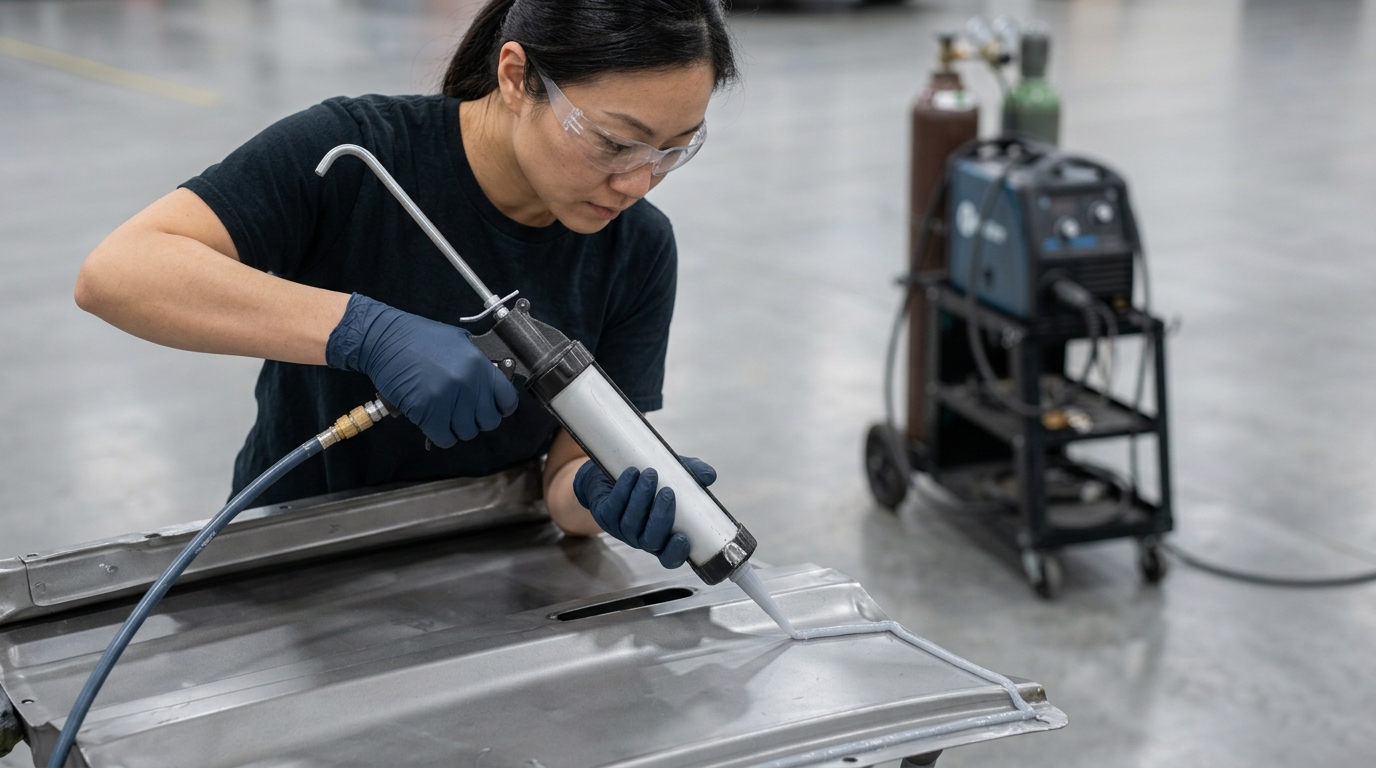
- Mix and apply the two-part adhesive, often with reinforcing mesh or aluminum tape backing the V-groove for strength.
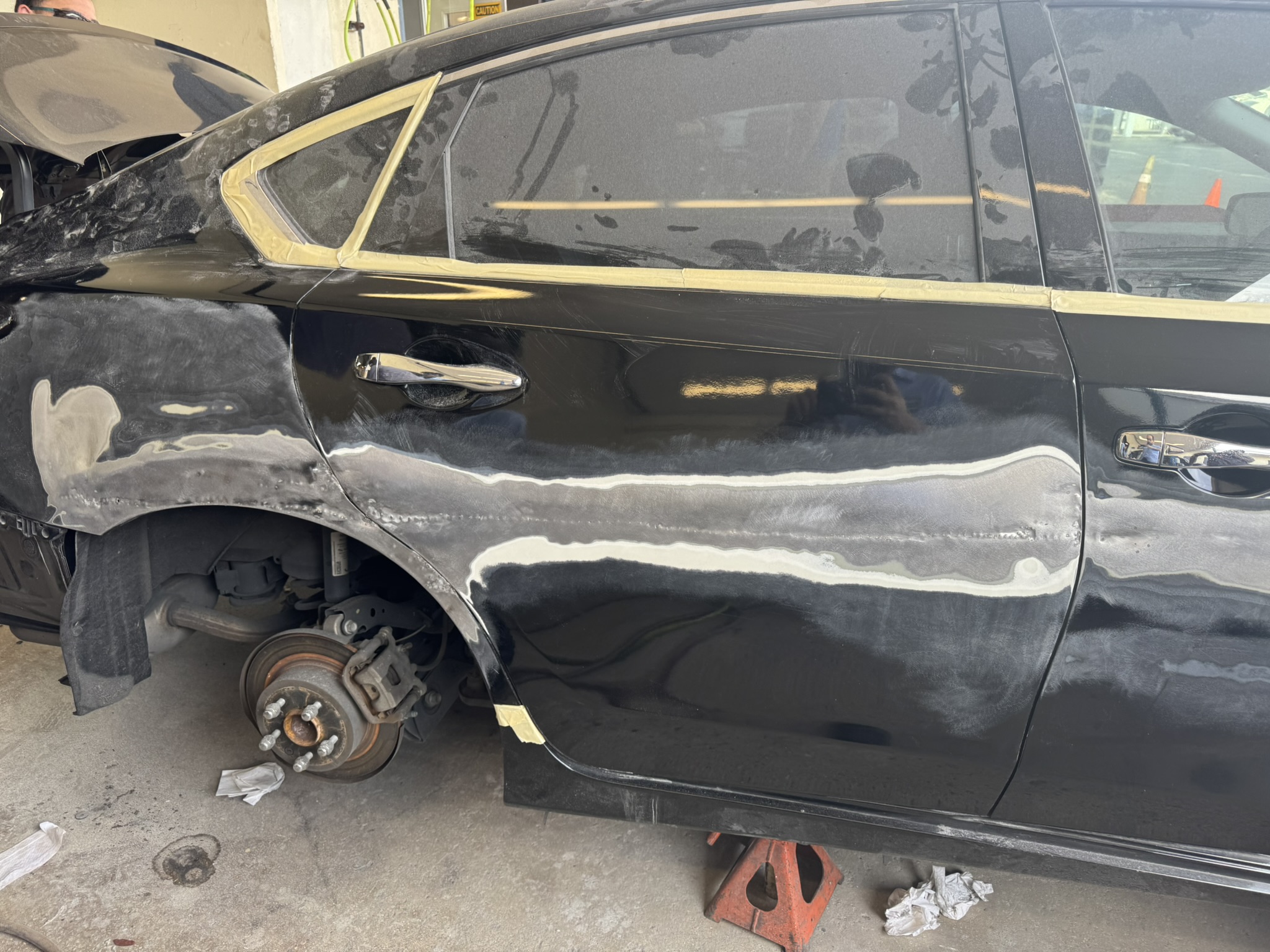
- Shape and finish once cured: rough shape, featheredge, then flexible primer-surfacer and refinish.
Nitrogen Plastic Welding, Step by Step
For thermoplastics, welding makes the strongest repair because the bond is the same family of material, not a separate adhesive layer.
- Match the rod to the substrate. PP rod for PP, TPO rod for TPO. The wrong rod will not fuse.
- V-groove and clean the crack the same way you would for adhesive.
- Weld the back (hidden) side first. This is where the strength lives. A common test trap is the idea that you weld the cosmetic front for strength. You do not. Back side first for structure, then the front for cosmetics.
- Use nitrogen if your welder supports it. Nitrogen shields the molten plastic from oxygen, which prevents oxidation and gives a noticeably stronger, cleaner weld than hot air alone.
- Re-shape, fill, and refinish the cosmetic side.
Shop Shortcuts That Cause Comebacks
Plastic repair is where rushed work comes back to the shop. Here is what separates a repair that lasts from one that peels, cracks, or falls off.
| ❌ Shortcut That Causes a Comeback | ✅ What a Lasting Repair Needs |
|---|---|
| "It's all plastic, just bond it." | Identify the substrate first (ISO code or grind test), then pick adhesive vs welding. |
| "Skip the adhesion promoter, the adhesive is strong." | Always promote PP and TPO. Low surface energy means nothing sticks without it. |
| "Grind the front, slap filler on it." | V-groove and reinforce from the back, where the strength belongs. |
| "Regular primer and clear are fine on a bumper." | Use flexible/flex-rated products so the finish moves with the cover and does not crack. |
| "Any welding rod will do." | Match the rod to the substrate, or the weld will not fuse. |
For more on prepping bare and repaired surfaces so coatings actually hold, our guide on body filler vs epoxy primer on bare steel covers the same adhesion principles on metal.
How the ASE B3 Tests Plastic Repair
The ASE B3 exam does not ask you to weld a bumper in the test center. It tests the decisions: identify the material, choose the method, and know the prep order. Try these in the real exam format. Click an answer to check it.
A bumper cover is marked ">PP<" on the back. Before applying two-part adhesive to a crack, the technician must:
During a grind test on a hidden flange, the damaged cover produces a smooth, smeared melt rather than a dry powder. This tells the technician the part is:
When nitrogen plastic welding a cracked thermoplastic bumper, the strongest repair is achieved by:
What's your go-to for repairing a cracked plastic bumper cover?
Cast your vote and see what the rest of the shop does.
Repair or Replace?
The last piece of judgment is knowing when to stop. A cover with a clean crack, a tear, or a couple of broken tabs is almost always repairable, and repairing it is the right call for the customer and the estimate. A cover that is shattered, heavily distorted, or made of a substrate that will not hold the repair should be replaced. Knowing that line, and being able to defend it on an estimate, is exactly what a certified non-structural technician is paid for.
ASE Certified
Collision Technician
Plastic and adhesive repair lives squarely in the ASE B3 Non-Structural exam. Passing ASE B3 is a key step toward earning the Collision Technician credential that shops look for.
ASE®, the ASE logo, and "ASE Certified" are registered trademarks of the National Institute for Automotive Service Excellence. asecollisiontestprep.com is not affiliated with, endorsed by, or sponsored by ASE.
Stop Guessing. Start Passing.
Plastic repair questions are easy points on the ASE B3 once you have the substrate ID, the method choice, and the prep order locked in. Our B3 module drills all of it in the real Prometric exam format, with an explanation behind every answer.
Choose Your ASE B3 Access
One-time payment. No subscriptions and no recurring fees, ever.
- Prometric-style exam simulator
- 1000+ practice questions
- Digital flashcards
- Weakness drills
- Web or mobile access
- Everything in Simulator Access
- Full ASE Academy lesson course
- Step-by-step guided study path
- Hands-on labs and key-term training
The Simulator and the Simulator + ASE Academy bundle are both available now. All sales are final.

Discussion
Join the discussion — sign in to comment.
Comments are reserved for registered students and technicians. Your name will be pulled from your profile automatically.
Log In Register